HOTELS / PROBLEMS & NEXT STEPS
Hotel freshness & scent problems
Find practical next steps for 50 hotel freshness and fragrance problems. Investigate sources, coordinate maintenance and assess optional ambient scenting only where appropriate.
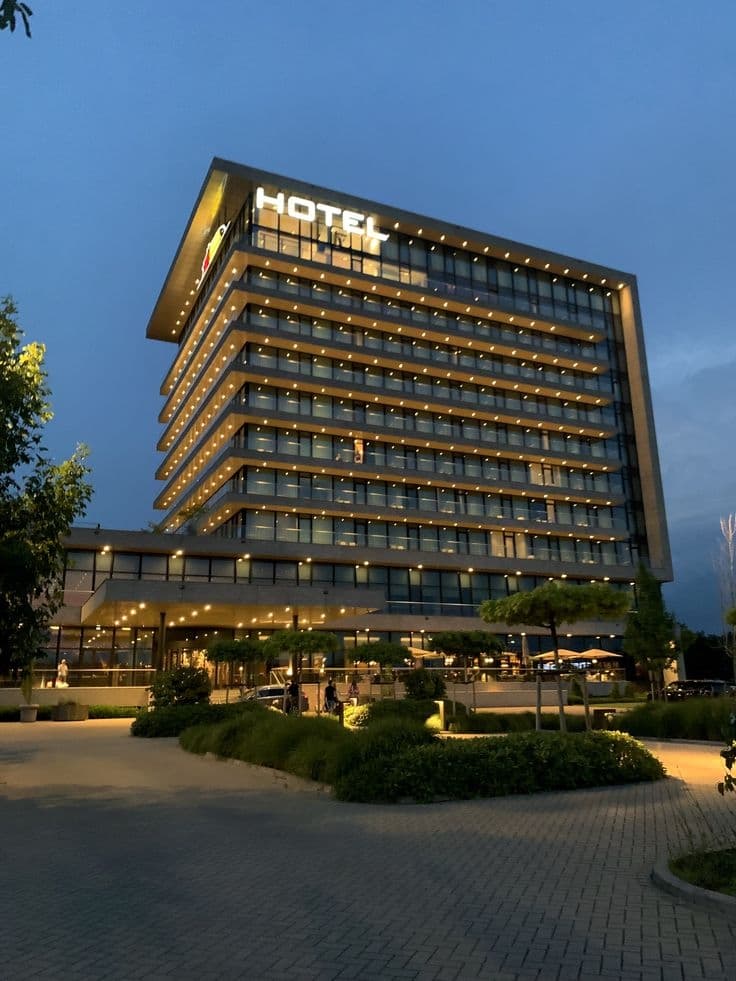
Lobby freshness and fragrance problems
PROBLEM GUIDE
How to Make a Hotel Lobby Smell Good
Begin with a clean, well-maintained lobby and suitable ventilation, then consider restrained approved fragrance. A pleasant arrival experience is not achieved by covering an unresolved odour with stronger output.
Explore options →PROBLEM GUIDE
Hotel Lobby Smells Bad: Causes & Solutions
A bad lobby smell needs a source investigation, not an automatic diffuser purchase. Cleaning, waste, moisture, drainage or airflow issues may need different hotel maintenance actions.
Explore options →PROBLEM GUIDE
How to Keep a Hotel Lobby Smelling Fresh All Day
All-day freshness depends on source control, housekeeping and ventilation, with any ambient fragrance operated to an approved schedule. Continuous high output is not a substitute for those routines.
Explore options →PROBLEM GUIDE
How to Remove Bad Odour From Hotel Lobbies
Remove or resolve the odour source through appropriate maintenance and cleaning rather than expecting a fragrance diffuser to eliminate it. Persistent smells need a property-specific investigation.
Explore options →PROBLEM GUIDE
How to Make a Hotel Smell Luxurious
A luxurious aroma experience should fit the property’s identity and guest preferences, supported by cleanliness and service. Strong fragrance or a premium machine price does not establish a luxury result.
Explore options →PROBLEM GUIDE
How to Make a Hotel Smell Like a 5-Star Hotel
There is no universal 5-star fragrance or setting. Focus on a well-maintained environment and an appropriate approved fragrance experience rather than copying an unverified hotel formula.
Explore options →PROBLEM GUIDE
Why Does My Hotel Lobby Lose Its Fragrance Quickly?
A fading fragrance impression can relate to changed settings, operating hours, doors, airflow or personal perception. It does not automatically mean the oil or machine is defective.
Explore options →PROBLEM GUIDE
Hotel Fragrance Is Too Strong: How to Fix It
If fragrance is unwanted or too strong, pause or reduce operation through the supplied instructions and review feedback. Do not assume a strong scent is necessary for a commercial hotel.
Explore options →PROBLEM GUIDE
Hotel Fragrance Is Too Weak: How to Fix It
Weak perceived fragrance calls for a model, schedule and zone review before increasing output. Room divisions or unsuitable airflow cannot be assumed to improve through stronger settings.
Explore options →PROBLEM GUIDE
Why Hotel Aroma Diffusers Don't Cover the Entire Lobby
A listed coverage figure is indicative, not a promise of even fragrance throughout every lobby. Height, entrances, partitions and air distribution can change suitability.
Explore options →PROBLEM GUIDE
How to Get Even Fragrance Distribution in a Hotel
Plan distribution by occupied zone and airflow, then review feedback at several locations. One position or an HVAC connection does not automatically provide even hotel-wide scenting.
Explore options →PROBLEM GUIDE
How to Prevent Fragrance Hotspots Near Hotel Diffusers
A strong near-machine hotspot needs review of approved placement and operation. Do not use the strongest nearby impression as the target for the entire hotel zone.
Explore options →PROBLEM GUIDE
How to Make Hotel Fragrance Consistent Throughout the Day
Consistency requires a controlled routine that accounts for changing occupancy, doors and ventilation. Identical output at all hours does not guarantee an identical guest experience.
Explore options →Corridors, guest rooms and smoke
PROBLEM GUIDE
Hotel Corridors Smell Musty: What to Do
Musty corridors need investigation for moisture and other building issues before ambient scenting is considered. A diffuser does not resolve dampness or establish that an affected area is ready for guests.
Explore options →PROBLEM GUIDE
How to Remove Damp Smell From Hotel Corridors
Damp-smell correction starts with finding and addressing the moisture source and affected materials. Adding fragrance can obscure the complaint without fixing the building issue.
Explore options →PROBLEM GUIDE
How to Keep Hotel Corridors Smelling Fresh
Maintain corridor freshness through housekeeping, source investigation and appropriate ventilation. Any ambient fragrance requires a corridor-specific zone review and guest-room boundary assessment.
Explore options →PROBLEM GUIDE
Hotel Rooms Smell Musty: Causes & Solutions
A musty guest room should be investigated for moisture and maintenance problems. Fragrance is not a remedy, and a lack of noticeable smell afterward does not prove the source is resolved.
Explore options →PROBLEM GUIDE
How to Remove Closed-Room Smell From Hotel Rooms
A closed-room smell needs review of housekeeping, stored materials and ventilation before guest use. Do not assume it is harmless staleness or that a room diffuser removes the cause.
Explore options →PROBLEM GUIDE
How to Improve Hotel Room Smell Before Guest Check-In
Before check-in, verify room cleanliness, maintenance and ventilation rather than spraying over an unresolved smell. Guest readiness should follow the hotel’s inspection process.
Explore options →PROBLEM GUIDE
How to Remove Previous Guest Odours From Hotel Rooms
Previous-guest odours require appropriate housekeeping and source assessment. A fragrance machine does not remove residues or replace the room’s cleaning and maintenance procedures.
Explore options →PROBLEM GUIDE
How to Deal With Cigarette Smell in Hotels
Cigarette-smell complaints need a smoke-source and cleaning response under hotel policy. Ambient fragrance does not remove smoke contamination or prove that a room is suitable for occupancy.
Explore options →Food, washrooms, fitness and spa
PROBLEM GUIDE
How to Reduce Food Smell in Hotel Common Areas
Food odours in common areas require review of the source and air movement between cooking, dining and guest zones. Fragrance should not be used to conceal an unresolved extraction problem.
Explore options →PROBLEM GUIDE
Hotel Kitchen Smell Reaching Lobby: Solutions
Kitchen smells reaching reception call for an engineering and operations review, not higher diffuser output. The hotel needs to understand how air moves from the source to the lobby.
Explore options →PROBLEM GUIDE
How to Prevent Restaurant Smells Entering Hotel Lobby
Preventing restaurant aromas from crossing into the lobby requires review of layout and ventilation. The correct response depends on the building and operational boundaries.
Explore options →PROBLEM GUIDE
Hotel Washrooms Smell Bad: Permanent Solutions
There is no universal permanent odour fix for every hotel washroom. Recurring smells need source identification, cleaning, drainage and ventilation assessment by the responsible teams.
Explore options →PROBLEM GUIDE
How to Control Odour in High-Traffic Hotel Washrooms
High-traffic washrooms need an appropriate cleaning, inspection and ventilation routine. Fragrance cannot compensate for an unresolved source or insufficient maintenance response.
Explore options →PROBLEM GUIDE
How to Make Hotel Washrooms Smell Premium
A premium washroom experience begins with cleanliness, maintenance and guest comfort. A restrained optional fragrance is separate from hygiene and should not compete with unresolved odours.
Explore options →PROBLEM GUIDE
Hotel Gym Smells Sweaty: How to Fix It
A gym sweat-smell complaint needs review of cleaning, affected materials and ventilation. A commercial fragrance machine is not an odour-elimination or disinfection system.
Explore options →PROBLEM GUIDE
How to Control Odour in Hotel Fitness Centres
Fitness-centre odour control starts with sources, housekeeping and ventilation appropriate to use. Hotel scenting can be considered separately for suitable zones after the problem is addressed.
Explore options →PROBLEM GUIDE
Hotel Spa Doesn't Smell Relaxing: What to Change
If a spa’s aroma feels unsuitable, review competing treatment products, cleaning aromas and ambient intensity. Relaxing is a subjective preference, not a guaranteed fragrance or therapeutic effect.
Explore options →PROBLEM GUIDE
How to Create a Relaxing Aroma Inside a Hotel Spa
A spa aroma should fit guest preferences and existing treatments, with restrained operation in appropriate zones. No universal note family or health effect is guaranteed.
Explore options →Events, damp conditions and format limits
PROBLEM GUIDE
Hotel Banquet Hall Smells Stale Before Events
A stale hall before an event needs a preparation and source review, including cleaning, materials and ventilation. Adding fragrance does not establish that the hall is guest-ready.
Explore options →PROBLEM GUIDE
How to Freshen a Banquet Hall Quickly Before Guests Arrive
Before guests arrive, prioritise the hotel’s inspection, cleaning and ventilation process. No fragrance-based instant fix is claimed for an unresolved hall odour.
Explore options →PROBLEM GUIDE
How to Remove Event Food Odours From Banquet Halls
After-event food smells require approved cleanup and source-control measures. A diffuser does not remove food residues or replace ventilation and maintenance review.
Explore options →PROBLEM GUIDE
Hotel Basement Smell: Causes & Scenting Solutions
Basement smells need source and building assessment before scenting. Dampness, service operations or other conditions may require repairs; fragrance is not a diagnosis or remediation method.
Explore options →PROBLEM GUIDE
How to Handle Monsoon Damp Smell in Hotels
Recurring damp smells during monsoon periods should trigger a moisture and maintenance investigation. A stronger fragrance or longer schedule does not fix water entry or affected materials.
Explore options →PROBLEM GUIDE
How to Keep Coastal Hotels Smelling Fresh in Humid Weather
Coastal hotel freshness should start with moisture-aware maintenance, housekeeping and ventilation review. Humid weather does not justify masking a recurring musty smell with fragrance.
Explore options →PROBLEM GUIDE
Why Reed Diffusers Don't Work in Large Hotel Lobbies
A passive reed diffuser may suit a small corner, but it should not be assumed to provide a large lobby’s coverage. HUME’s Mini Reed lists up to 120 sq ft, not a whole-lobby range.
Explore options →PROBLEM GUIDE
Why Room Sprays Don't Work for Large Hotels
Manual room spray and a planned commercial diffusion system have different operating routines. A spray should not be assumed to deliver consistent whole-hotel distribution or remove underlying odours.
Explore options →PROBLEM GUIDE
Why Hotel Staff Shouldn't Have to Manually Spray Air Freshener
A hotel may choose a documented equipment routine instead of relying on repeated manual fragrance application. The decision should account for staff workload, approved consumables and zone suitability.
Explore options →Coverage, boundaries and consistency
PROBLEM GUIDE
Why Hotel Fragrance Changes From Morning to Evening
A changing fragrance impression can accompany cleaning, occupancy, doors, airflow or settings. It does not automatically establish that the formula has changed or the machine is faulty.
Explore options →PROBLEM GUIDE
Why One Hotel Diffuser Is Not Covering the Whole Property
One local unit or HVAC connection is not a whole-property guarantee. Separate rooms, air handlers and excluded spaces need their own distribution review.
Explore options →PROBLEM GUIDE
How to Scent Hotels With Very High Ceilings
High-ceiling hotel areas need height and airflow assessment in addition to floor area. Standard listed square-foot figures should not be assumed valid for every atrium or tall lobby.
Explore options →PROBLEM GUIDE
How to Scent Open-Plan Hotel Lobbies
Open-plan lobbies still need boundaries, airflow and occupied-zone planning. A visually open floor does not guarantee even fragrance or separation from restaurants and corridors.
Explore options →PROBLEM GUIDE
How to Scent Hotels With Constant Door Opening
Frequent door opening changes operating conditions at an entrance. Review the indoor arrival zone and airflow rather than automatically raising scent output to compensate.
Explore options →PROBLEM GUIDE
How to Prevent Different Hotel Fragrances From Mixing
Prevent unwanted fragrance overlap by coordinating formulas, zones and air paths. Different machines in neighbouring spaces do not automatically create separated experiences.
Explore options →PROBLEM GUIDE
Lobby Scent Entering Hotel Restaurant: How to Prevent It
If lobby fragrance reaches dining areas, pause or reduce unwanted operation and review the air boundary. Do not assume a different note will preserve food aromas while the same cross-zone path remains.
Explore options →PROBLEM GUIDE
How to Reduce Hotel Fragrance Oil Consumption
Reduce unnecessary fragrance use by reviewing actual run hours, approved settings and zone fit while retaining a suitable guest experience. No fixed percentage saving or universal consumption rate is claimed.
Explore options →PROBLEM GUIDE
How to Create Consistent Scent Across Multiple Hotel Properties
Standardise approved fragrance and operating procedures while reviewing equipment separately at each property. Identical settings and machine counts do not guarantee the same experience across different buildings.
Explore options →PROBLEM GUIDE
How to Fix an Inconsistent Hotel Guest Scent Experience
An inconsistent experience needs a review of fragrance approval, operation and zone conditions. Treat feedback across the guest journey as evidence for reassessment, not a reason to increase every machine.
Explore options →