CLINICS / NON-CLINICAL HOSPITALITY
How to Create a Fragrance Policy for a Premium Clinic
A fragrance policy should define whether ambient scent is permitted, where it is excluded and who can stop it.
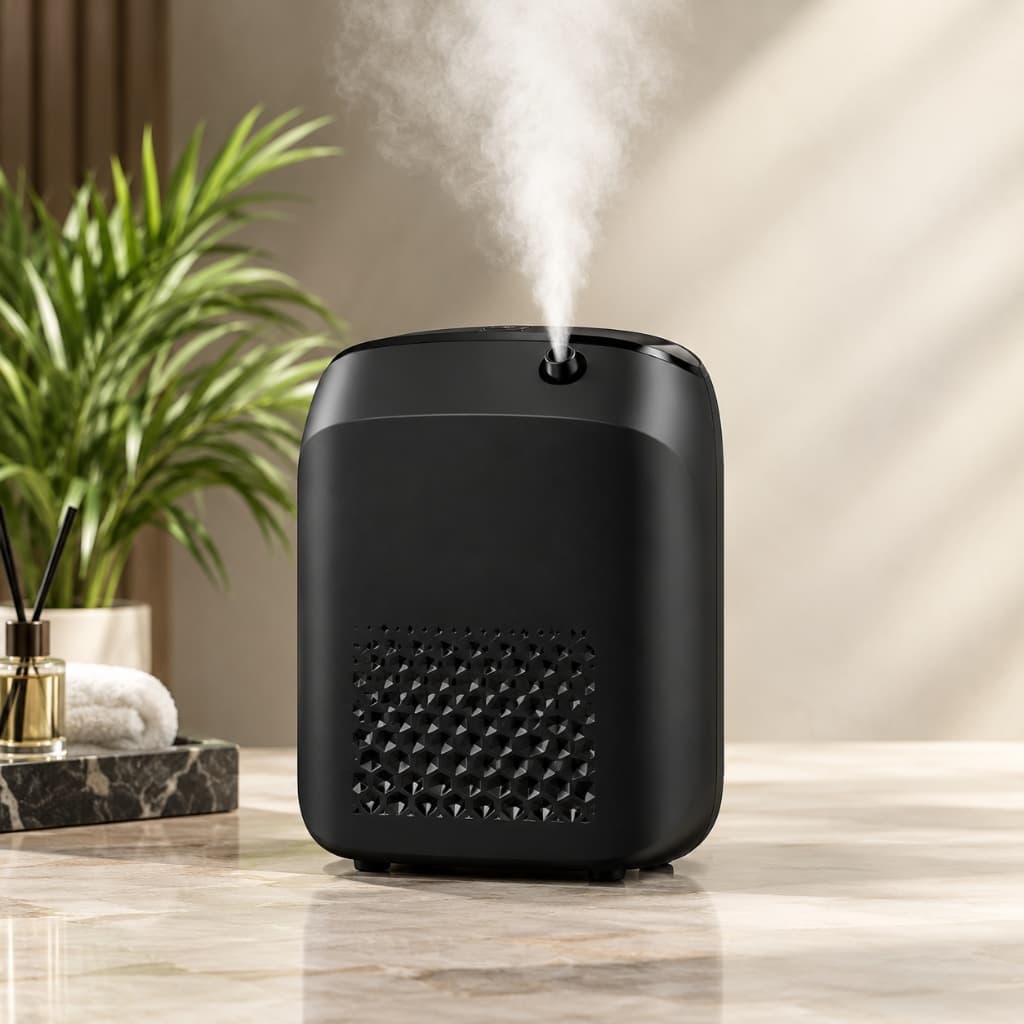
OPTIONAL AMBIENT EQUIPMENT
400ml Commercial Diffuser
₹4,190
400 ml reservoir · Listed coverage: 1,000–2,000 sq ft*
A starting point for a suitable zone. Confirm approved oil, layout, GST, delivery and service scope before ordering.
The practical answer
A fragrance policy should define whether ambient scent is permitted, where it is excluded and who can stop it.
Review the actual clinic
Include staff responsibilities, feedback handling and review dates; this guide is not medical or Indian legal compliance advice.
Define permission and exclusions
For How to Create a Fragrance Policy for a Premium Clinic, ask clinical leadership and facilities to review the non-clinical zone, patient needs and connected air paths. Keep examination, procedure, treatment and recovery spaces outside the plan. Respect fragrance-free policies; no scent may be the right decision. Include staff responsibilities, feedback handling and review dates; this guide is not medical or Indian legal compliance advice.
Confirm any optional equipment
The featured HUME product is an enquiry starting point only if an appropriate hospitality zone is approved. It is not clinical equipment or evidence of patient suitability. Confirm approved liquid, permitted settings, dry placement, power, support and costs in writing. Fragrance does not disinfect, purify air, control infection or replace ventilation.
Before you accept a quote
- Identify the proposed zones and areas to leave unscented.
- Check exact equipment specifications and approved fragrance.
- Request consumption assumptions and itemised ongoing costs.
- Confirm installation responsibilities and written support terms.
Buyer questions
What should the practice consider first?
A fragrance policy should define whether ambient scent is permitted, where it is excluded and who can stop it.
What should clinical leadership and facilities review?
Include staff responsibilities, feedback handling and review dates; this guide is not medical or Indian legal compliance advice.
Is a low setting safe for every patient?
No universal safe setting or sensitivity-free formula is claimed. Follow clinic policy and the practice response to patient concerns; fragrance-free operation may be appropriate.
Where should fragrance not be used?
Keep examination, procedure, treatment and recovery areas outside the plan, along with any fragrance-free space, route or connected air zone identified by the practice.
How do I request a proposal for an approved zone?
Send city, non-clinical zone area, heights, air paths, operating hours, exclusions and policy requirements. Ask about suitability before buying; no clinical outcome or whole-clinic coverage is promised.
Sources and how to use them
Official provider pages reviewed on 7 October 2026. External sources describe general formats and their own products; they do not verify HUME specifications or replace the supplied installation manual. No independent ranking is claimed.
CCOHS: scent-free workplace policy ↗ — Canadian workplace guidance on fragrance policies and concerns; not Indian compliance advice or a clinical protocol.
EPA: improving indoor air quality ↗ — General source-control and ventilation background; not a certification of HUME equipment.
Airosyn: healthcare ambient scenting ↗ — Commercial provider perspective supplied for context; not independent clinical evidence or verification of HUME specifications.
Discuss your property with HUME Spaces
Send your city, property type, zone area, ventilation and operating hours. Ask for a suitable equipment and approved-fragrance pairing, with all requested services itemised.
Send your brief on WhatsApp